
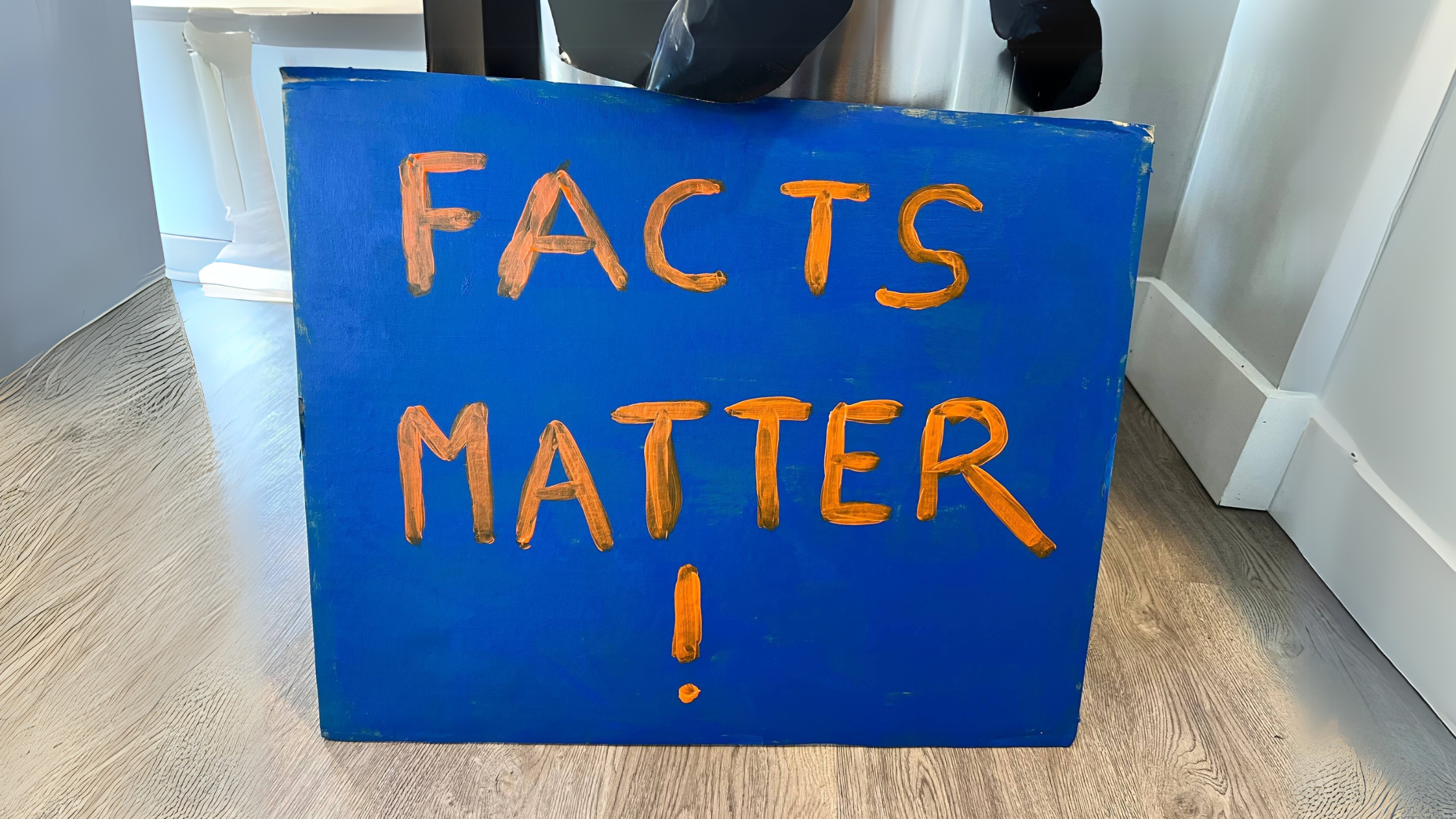
Why do people get divorced? Is there just one reason, or are there many? What is the truth?
This question was addressed by Lori Gottlieb in the “Ask the Therapist” section of the New York Times this week. A reader asked whether she should tell her teenage children that the real reason she and her ex-husband divorced several years ago is because he had an affair. The kids aren’t asking. The parents get along now. The parents told the kids before that they split up because they fell out of love. But her friends are saying that she has to tell them “the truth about things that profoundly shaped their lives.”
Ms. Gottlieb gives a really lovely and nuanced answer. She points out that there are many layers to the truth. From the wife’s perspective, the truth is that the reason they divorced is that the husband had an affair. But from the husband’s perspective, the truth might be that he had the affair because he already felt emotionally disconnected from his wife. Both versions can be true at the same time.
This very scenario is fairly common when I’m doing divorce mediation, and couples may argue about the “real” reason that they are divorcing. But, in human relationships, there isn’t one simple truth. There are several. And this is exactly when I will tell them that whether a particular event actually happened isn’t as important as their perceptions or experiences of it. In the case of the affair, it might be that the wife felt blindsided and betrayed, while the husband may have felt isolated and lonely. These are usually unintended consequences of the other’s behavior. And it can be very powerful for each to acknowledge the other’s point of view, if they can do so in a way that is not defensive. Once that happens, we can really get down to work figuring out how they will restructure their lives.
But then I think about how people connected to Trump have manipulated the truth to promote their agenda. They are creating a world in which science is not respected, in which facts are irrelevant, and they are rapidly dismantling the very structures of democracy. They are basing their policies on what they call “alternative facts.” They are systematically dismantling the ground of truths upon which we have built our society. They want to disregard our common body of knowledge and substitute their own versions. For instance, they are denying the truth about the history of the United States by banning books. They are denying the truth about climate change by getting rid of restrictions on fossil fuels. And they are putting us all in harm’s way by limiting our access to vaccines for COVID and Polio. Rather than a commitment to the truth, this government commits to propaganda to prioritize profits for a few.
Perhaps it is no coincidence that the university most in the crosshairs now is Harvard, whose motto is “Veritas.” Truth DOES matter.
This seems like a paradox, and I don’t have an answer. Sometimes the truth is the very ground we walk on. And sometimes, perspective is more important than truth. How can both be true at the same time?