
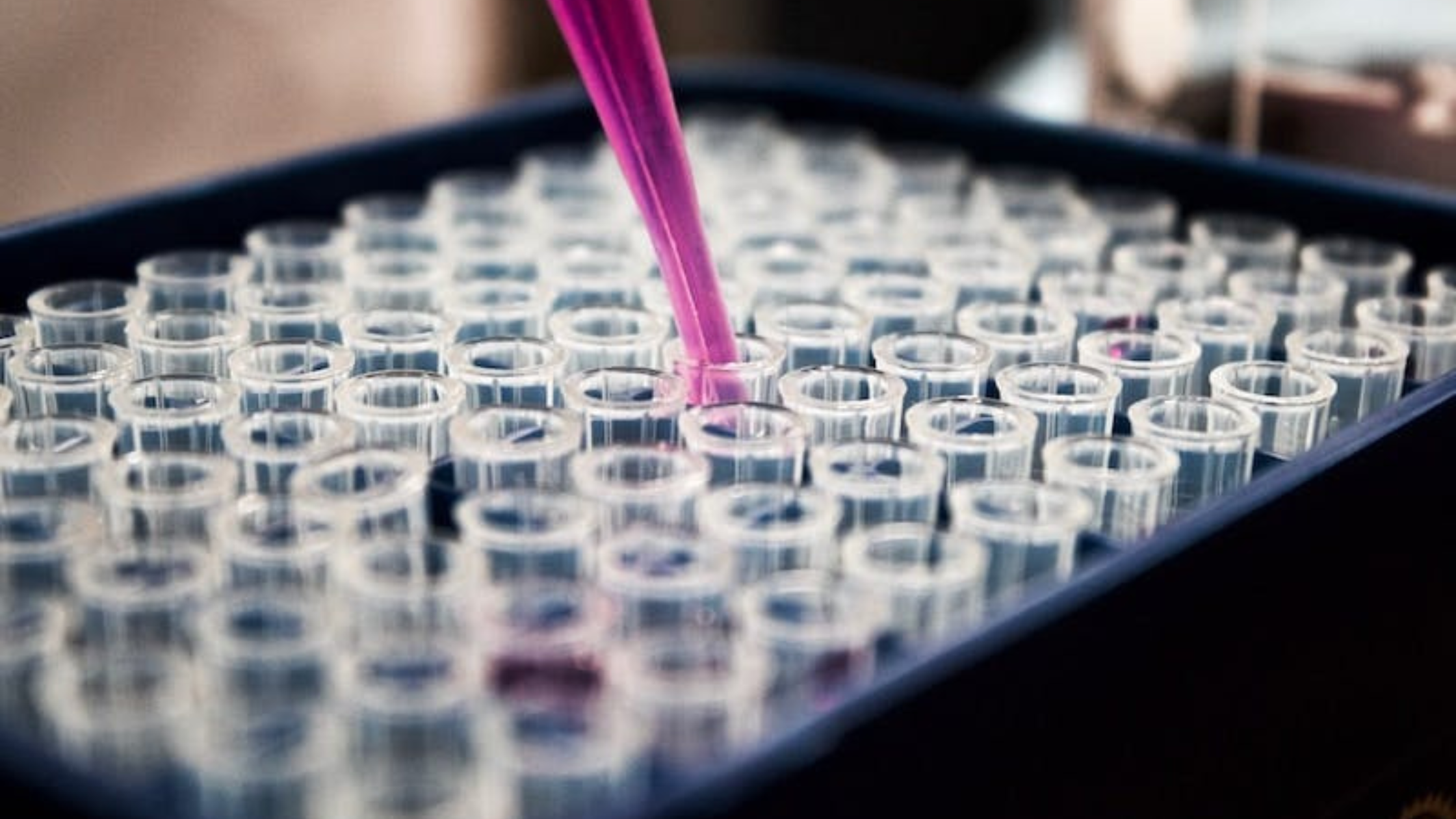
Are frozen embryos that have never been implanted in a human uterus, children, or property? I have written divorce agreements with clauses about the disposition of frozen embryos – and always under the heading “Personal Property.” I’ve never had clients suggest that they should be anywhere else.
Yet the recent Alabama decision that the embryos in that case were “children” who were “killed” and subject to a wrongful death lawsuit is sending shock waves through the country.
Here’s how it started: Three heterosexual couples had IVF treatments at the Center for Reproductive Medicine in Mobile, Alabama. Doctors there joined eggs and sperm in a petri dish to create the embryos, which were then frozen and kept at a local hospital. A hospital patient managed to get into the freezer, removed several embryos, and dropped them on the floor, destroying them.
The couples sued the hospital and the IVF center, accusing both of violating Alabama’s Wrongful Death of a Minor Act if the court found that the embryos were children, or negligence and wantonness if the court found that the embryos were property.
The trial court found that the embryos did not fit the definition of ‘person’ or ‘child,’ and dismissed the wrongful death claim. It also dismissed the negligence and wantonness claims. All of the couples appealed, and the Supreme Court of Alabama issued this week’s decision.
There is some discussion in the Supreme Court decision about whether Alabama’s Wrongful Death of a Minor Act, which was enacted in 1872, applied to unborn fetuses. Alabama courts had recently determined that it did.
The issue, in this case, was whether there was a distinction between embryos that were frozen in a lab and those that were growing inside a woman’s body. The court referred to them as “unborn children who are located outside of a biological uterus at the time they are killed.”
It repeatedly referred to the embryos as “extrauterine children,” said that it is “clear” and black letter law that this applies to frozen embryos, and found that the defendants did violate the Wrongful Death of a Minor Act.
(Ironically, all 3 of the plaintiff couples had authorized the Center to destroy the embryos or donate them to research after a certain period. Had that happened, would THEY then have been guilty of wrongful death of a minor??)
The first concurrence, by Chief Justice Parker, is particularly concerning. He quotes the Alabama state constitution, which “affirms that it is the public policy of this state to recognize and support the sanctity of unborn life…”. He then goes on with a long analysis of the word ‘sanctity,’ not only quoting legal precedent but several theological texts, as well as the Bible. Without addressing the issue that these embryos were not inside of anyone’s body, he concludes, “The People of Alabama … believe that each human being, from the moment of conception, is made in the image of God, created by Him to reflect His likeness.”
A second concurrence by Justice Shaw, says that the law should not be inconsistent for unborn children “based on their physical location” and says it is well settled that the term minor child “includes an unborn child with no distinction between in vitro or utero.” Yet he asserts no authority.
Yet another opinion by Justice Sellers concurs in part and dissents in part. Justice Sellers finally has some sense, saying “employing any sequence of linguistic gymnastics cannot yield the conclusion that the legislature intended embryos developed through in vitro fertilization to be included in the definition of a “person” … much less a “minor child. … To equate an embryo stored in a specialized freezer with a fetus inside of a mother is engaging in an exercise of result-oriented, intellectual sophistry, which I am unwilling to entertain.”
Justice Cook wrote a long and detailed dissent. In addition to considering the disastrous consequences of this decision, noting that no other state has defined embryos as persons, he questions the very logic of the main decision.
I was surprised to learn that over 2% of all infants born in the US now are conceived using some form of Artificial Reproductive Technology. That’s a lot of babies! And it doesn’t include the number of women who used IVF but didn’t result in being pregnant.
It’s hard to know what will happen. Put on your seatbelt, it’s going to be a bumpy ride.