
This week, I was honored to participate in a training about mediating Surrogates’ Court disputes taught by Joan Pangilinan-Taylor and Judith Nolfo for the New York State Office of Court Administration.
The stated issues can be fairly simple – e.g., disagreements about how things will be divided or who will be the executor of a loved one’s estate. But there are many layers to the disputes, particularly because family relationships are so long and can be so complicated. We talked a lot about how grief can exacerbate family conflict. That struck me because I’ve been through more than my share of grief and know that it can color everything that you do. It also struck me because I’ve seen in my work as a mediator that the thing that people are fighting about on the surface is often only a symbol of the real pain and frustration that they feel underneath.
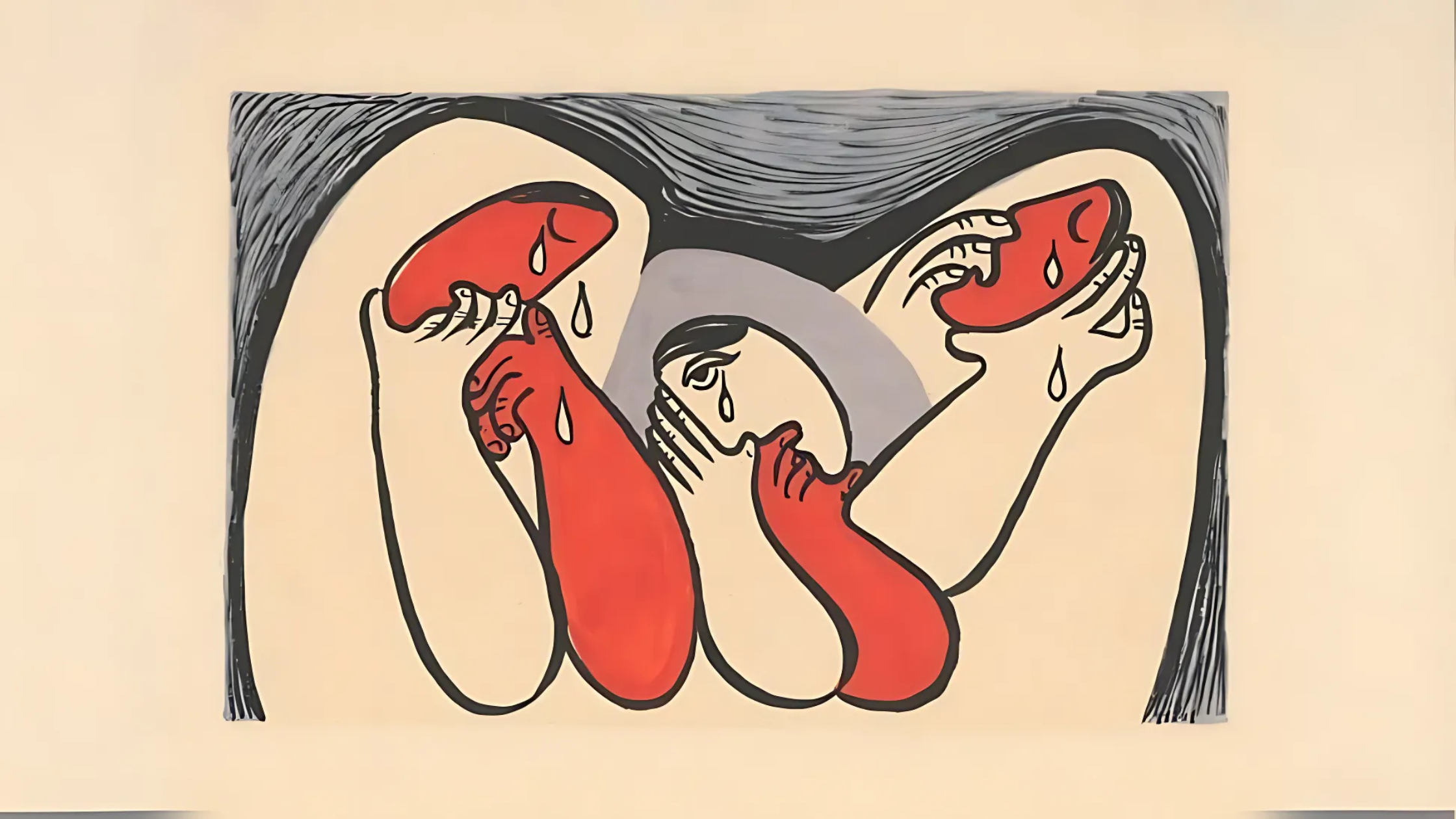
We talked about the fact that sometimes people hold onto litigation because once the conflict is over, they really have to face their loss. In other words, focusing on their disagreements can mask their grief. It can be easier to have someone to blame – and to be angry, rather than to feel how sad you are. We do so much to avoid feeling our feelings – we drink, we argue, we eat, we blame… But I think we only keep acting out if we don’t let ourselves go through the pain of the grief journey.
I also want to note that grief doesn’t only occur when someone dies – it can also occur when there is another traumatic life event like divorce, breakup, losing a home, or job loss. I think grief occurs when the life or relationship you used to have or expected to have is gone, and you have to readjust to a new reality.
My own grief experiences have taught me a few things that I’ll share with you –
- Every relationship is different, so every grief is different. Other people may have similar stories, but they will not be the same, even if they are grieving the loss of the same person.
- You will eventually get used to living without your loved one, but you may never stop missing them.
- There is no timeline for grief. It can take a very long time to accept your new reality and to stop wanting what you used to have. (Someone once told me to just “get over it,” a few months after my spouse died. Let’s just say that wasn’t helpful.)
- People will say silly and inappropriate things because they don’t know what else to say. (Another person told me that she understood exactly what I was going through because her dog had died. Let’s just say that wasn’t helpful, either.)
- Grief works on so many levels – physical, emotional, spiritual, intellectual … they all have different timelines.
I found it helpful to stick to the basics. Try to eat meals. Take a walk. Make dinner. Go to bed even if you can’t fall asleep. Cry. Talk. Hug. Find a support group or a therapist. Give yourself grace – this may be a pivotal moment in your life. Find safe spaces to feel what it is you have to feel.
And try not to fight with your brother.